![[back]](/assets/home_24dp_E3E3E3_FILL0_wght400_GRAD0_opsz24.svg "[back]")
![[search]](/assets/search_24dp_E3E3E3_FILL0_wght400_GRAD0_opsz24.svg "[search]")
Echidnaic Priesthood
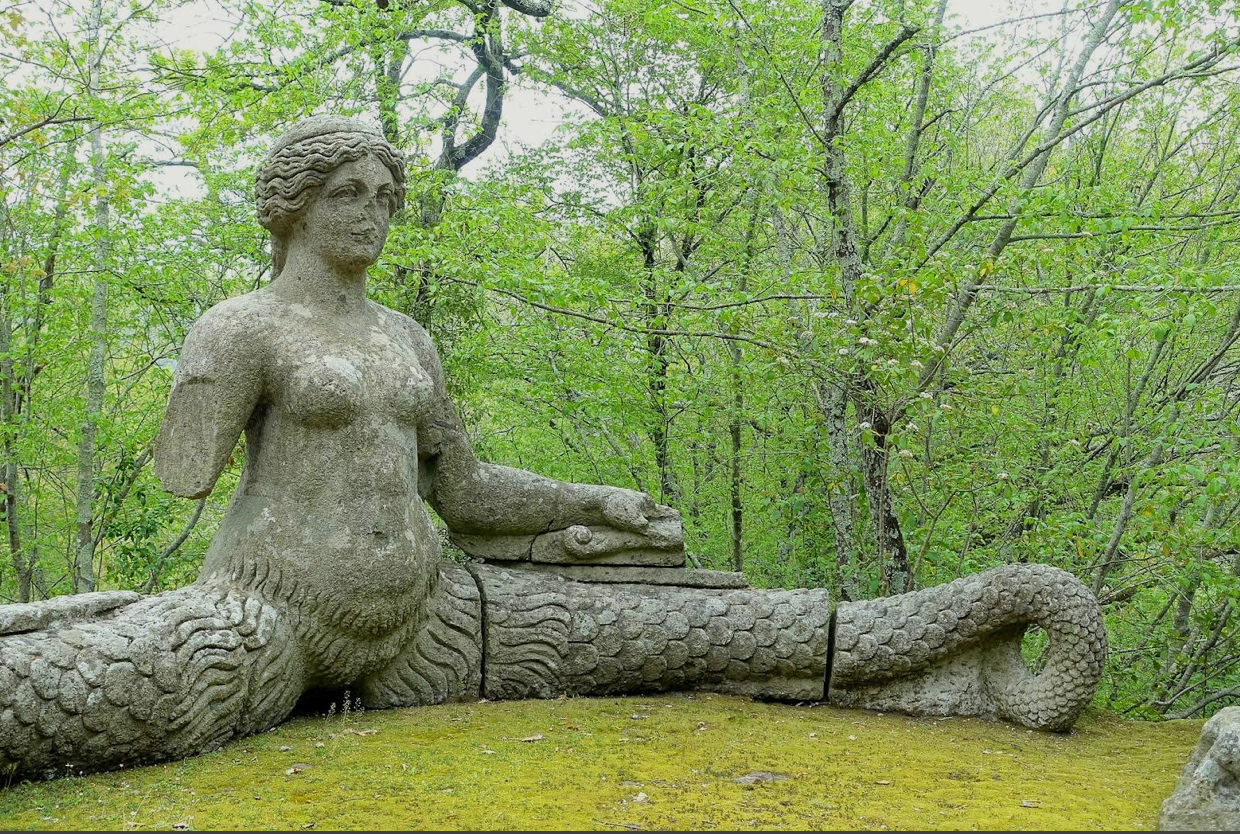
Before there was Starbucks, there was Hesiod... and the Echidna Priestess...
"And in a hollow cave she bore another monster, irresistible, in no wise like either to mortal men or to the undying gods, even the goddess fierce Echidna who is half a nymph with glancing eyes and fair cheeks, and half again a huge snake, great and awful, with speckled skin, eating raw flesh beneath the secret parts of the holy earth. And there she has a cave deep down under a hollow rock far from the deathless gods and mortal men.
There, then, did the gods appoint her a glorious house to dwell in: and she keeps guard in Arima beneath the earth, grim Echidna, a nymph who dies not nor grows old all her days."
The Echidna is a term that means Viper.
The name for the ancient priesthood, applies to those going back to Medea.
Associated names:
- Oracular (Delphic), Pythian, Eleusinian. These reflect structural or ritual similarities rather than literal institutional identity.
This article needs many more sources to fill in even a vague picture of the priesthood...
We'll be adding to it as we see echidna mentioned in the source texts...
please send references to help build this
The Viper in the Acts of Philip
A possibly related creature to the Hesiodic Echidna is the "Viper" (Echidna) cast into an abyss, by Philip the Apostle, in the apocryphal Acts of Philip. Called a "she dragon" (drakaina) and "the mother of the serpents",this Echidna ruled over many other monstrous dragons and snakes, and lived in a gated temple at Hierapolis, where she was worshipped by the people of that land. She, along with her temple and priests, was swallowed up by a hole in the ground that opened beneath her, as the result of Philip's curse.- from Echidna @ wikipedia
Here’s the actual Greek from the Acts of Philip that this paragraph is (loosely) referring to.
Work & location
- Πράξεις τοῦ ἁγίου καὶ πανευφήμου ἀποστόλου Φιλίππου (Acta Philippi), in Bonnet’s edition (1903), usually numbered in the “Martyrdom” section around §§16–17, 23–28.
- The viper-goddess, her serpents, and her temple
This is where the text explicitly talks about the temple of the viper (ἔχιδνα) and the serpents as “sons of our goddess”:
καὶ ἀσφαλισθῆναι εἰς τὸ ἱερὸν τοῦ εἰδώλου τῆς ἐχίδνης πρὸς τοὺς ἱερεῖς αὐτῆς, ἕως ἂν βουλεύσηται ποίῳ θανάτῳ ἕκαστον αὐτῶν ἀπολέσῃ.
(17) Ὅτε δὲ ἐνεκλείσθησαν ἐν τῷ ἱερῷ τῆς ἐχίδνης ὅ τε Φίλιππος ὁ ἀπόστολος καὶ Βαρθολομαῖος καὶ Μαριάμνη, συνήχθησαν οἱ ἱερεῖς τῆς ἐχίδνης ἐπὶ τὸ αὐτὸ καὶ ὄχλος πολὺς ὡς ἄνδρες ἑπτακισχίλιοι, καὶ δραμόντες πρὸς τὸν ἀνθύπατον κατεβόων λέγοντες· Ἐκδίκησον ἡμᾶς ἐκ τῶν ξένων καὶ μάγων καὶ φθορέων καὶ πλανησάντων τοὺς ἀνθρώπους. ἀφ᾽ οὗ γὰρ ἐπεδήμησαν εἰς ἡμᾶς, ἐπλήσθη ἡ πόλις ἡμῶν
πάσης κακῆς πράξεως· ἀπέκτειναν δὲ καὶ τοὺς ὄφεις τοὺς υἱοὺς τῆς θεᾶς ἡμῶν· ἔκλεισαν δὲ καὶ τὸ ἱερόν, καὶ ἠρήμωται ὁ βωμός· καὶ οὐχ εὑρήκαμεν προσενηνεγμένον οἶνον ἵνα πιοῦσα ἡ ἔχιδνα ὑπνώσῃ.
Key bits:
- τὸ ἱερὸν τοῦ εἰδώλου τῆς ἐχίδνης – “the temple of the idol of the viper”
- τοὺς ὄφεις τοὺς υἱοὺς τῆς θεᾶς ἡμῶν – “the serpents, the sons of our goddess”
- ἡ ἔχιδνα ὑπνώσῃ – the viper is put to sleep with wine (ritual sedation of the cult-beast/goddess)
This is the closest thing in the Greek to “mother of the serpents”: the goddess whose children are serpents.
- The abyss swallowing the temple, the viper, and the priests
This is the curse-scene where Philip calls for the abyss to open and swallow the whole cult complex:
First the curse itself:
Then the narrative result:
And a bit later, when the abyss is re-opened and most of them are brought back up, note who stays down:
So we have, in the Greek:
- ἡ ἔχιδνα ἣν ἐσέβοντο – “the viper which they worshipped”
- οἱ ἱερεῖς τῆς ἐχίδνης – “the priests of the viper”
- The entire ἱερὸν plus the ἔχιδνα and her priests being swallowed by ἡ ἄβυσσος as Philip’s curse takes effect.
- About “δράκαινα” and “mother of the serpents”
In the extant Greek text above:
- The cult-beast is consistently called ἡ ἔχιδνα (“viper”), and her clergy are οἱ ἱερεῖς τῆς ἐχίδνης.
- The snakes are called ὄφεις, explicitly “sons of our goddess” (τοὺς ὄφεις τοὺς υἱοὺς τῆς θεᾶς ἡμῶν).
- δράκαινα or the exact phrase “μήτηρ τῶν ὄφεων/δράκοντων” in the standard Greek text of this section; that language looks like later paraphrase/interpretive gloss in secondary literature or wiki-summaries, built from:
- Hesiodic Ἔχιδνα = “she-dragon” / drakaina in the mythic tradition, and
- This Acts of Philip scene where the goddess’ children are serpents.
Sythian Echidna
From the fifth century BC historian Herodotus, we learn of a creature who, though Herodotus does not name as Echidna, is called an echidna ("she-viper") and resembles the Hesiodic Echidna in several respects. She was half woman half snake, lived in a cave, and was known as a mother figure, in this case, as the progenitor of the Scythians (rather than of monsters).
The Eua who is Eve
ἀφροσύνη βασιλέως, ὢ ἔκστασις φρενῶν, ὢ σκότωσις λογισμῶν, ὢ πώρωσις
ψυχῆς, ὢ ἀναίδεια γυναικός, ὢ αἴτησις θυγατρὸς τῆς πλάνης· πῶς τὸν λό-
γον τῆς ἀπειρημένης ἀποκρίσεως τῆς μητρὸς ταχὺ προσεκόμισεν. Ἀλλ’ ἐροῦ-
μεν πρὸς σέ, παράνομε Ἡρῴδη, οὐκ ἠδύνου τὸ ῥῆμά σου πληρῶσαι καὶ τὸ (15)
ἥμισυ τῆς βασιλείας σου δοῦναι, ἧς ὑπέσχου κακῶς καὶ μὴ δοῦναι ὃ οὐχ
ὑπέσχου σάρκας καὶ αἷμα, οὗ οὐκ ἦν μιᾶς τριχὸς ἀνταξία ἡ βασιλεία σου;
τὸ ἥμισυ τῆς βασιλείας εἶπας· στῆσον τὸ ῥῆμά σου, ὦ βασιλεῦ· πῶς ὑπέ-
σχου; χαρίσματα δόξης χρηματικῆς δοῦναι ἢ κεφαλὴν προφήτου; ἀλλ’ ὡς
ἔοικεν ἐκ τῆς ἀκαθάρτου δρακαίνης ἐκείνης ἠπατήθης, ὡς Ἀδάμ ποτε ἐκ (20)
τῆς Εὔας. Ἀλλ’ Ἀδὰμ μὲν καὶ οἱ σὺν αὐτῷ τῆς κατάρας ἠλευθερώθησαν @1
(45) διὰ τοῦ ἀχράντου τόκου τῆς ἀπειράνδρου θεοτόκου καὶ ἀειπαρθένου Μα-
ρίας, σὺ δέ, ὦ παράνομε, πρὸς οἷς οὐκ ἠλευθερώθης διὰ τὸν λόγον, ὃν
εἶπέ σοι ὁ προφήτης Ἰωάννης, ἀλλὰ καὶ υἱὸς σκότους καὶ γεέννης καὶ ἀπω-
λείας καὶ πυρὸς αἰωνίου τρυφὴ γέγονας.]
- drakaina (δρακαίνης)
- aion (αἰωνίου)
τῆς Εὔας - what is Eve (Εὔας) doing so close to the drakaina (δρακαίνης)? To the new priestess, who succeeds the mother, when the greater must fall? Who is she? She is the Eve. What is the Eve? the Eve is the Eua (Εὔας), she is the shout of the satanic Bacchant. Do you know who else is the Echidnaic Priestess? Mary. This is what our christian sources are telling us, straight to our faces.
No theology middle man here. This is history. The Echidnaic Priesthood is a fact that we find ALL OVER the christian works. Because it is the uncorrupted mystery.
Blood and Venom are her drugs
From The Mystery
She the priestess, The bacchic satanic priestess, she possessed both drugs. One was her blood, one was her venom. She was a virgin from the waste up, from the waste down she was a viper. Welcome to the Bacchic satanic chorus of antiquity.
Did you know this was going on around Jesus?
see also
- Medea and Medusa and the Echidnaic Priesthood
- Snakes in the ancient world, what was so special about them?
- Pharmakon in the ancient world, including Thanasimon and Theriac and The Purple
- wikipedia Echidna
- Apocryphal Acts: Acts of Philip, Acts of John, Acts of Peter – many contain serpent/dragon motifs linked to priesthoods.
- Classical references: Hesiod Theogony (Echidna as mother of monsters).
- Hellenistic mystery parallels: Eleusinian, Orphic, Mithraic rituals, especially “she-dragon/guardian of secrets” imagery.
- Secondary scholarship: Look for articles on “drakaina in early Christian literature” or “Echidna motifs in late antiquity” for credible source references.